
Most buyers have heard of radon. Their agent has mentioned it, a friend had a high reading, and they want to know whether they really need a test. Short answer: yes. Here is why, and how it works.
What radon is
Radon is a radioactive gas released as uranium in soil and rock breaks down. It moves up through the ground and into houses through cracks in the foundation, gaps around pipes, sump pits and crawlspaces. You cannot see it or smell it. The U.S. EPA ranks radon as the second leading cause of lung cancer after smoking.
The tricky part is that radon levels depend on the soil right under the house and on how that house is built. Two homes on the same street can get completely different results. A neighbor's low number tells you nothing about the house you are buying.
Who can test it in New Jersey
New Jersey requires anyone testing radon in someone else's home to be certified by the NJ Department of Environmental Protection. I hold an NJDEP radon measurement certificate (MET15586), so I can set the test up during your home inspection and you do not need to coordinate a second company.
How the test works
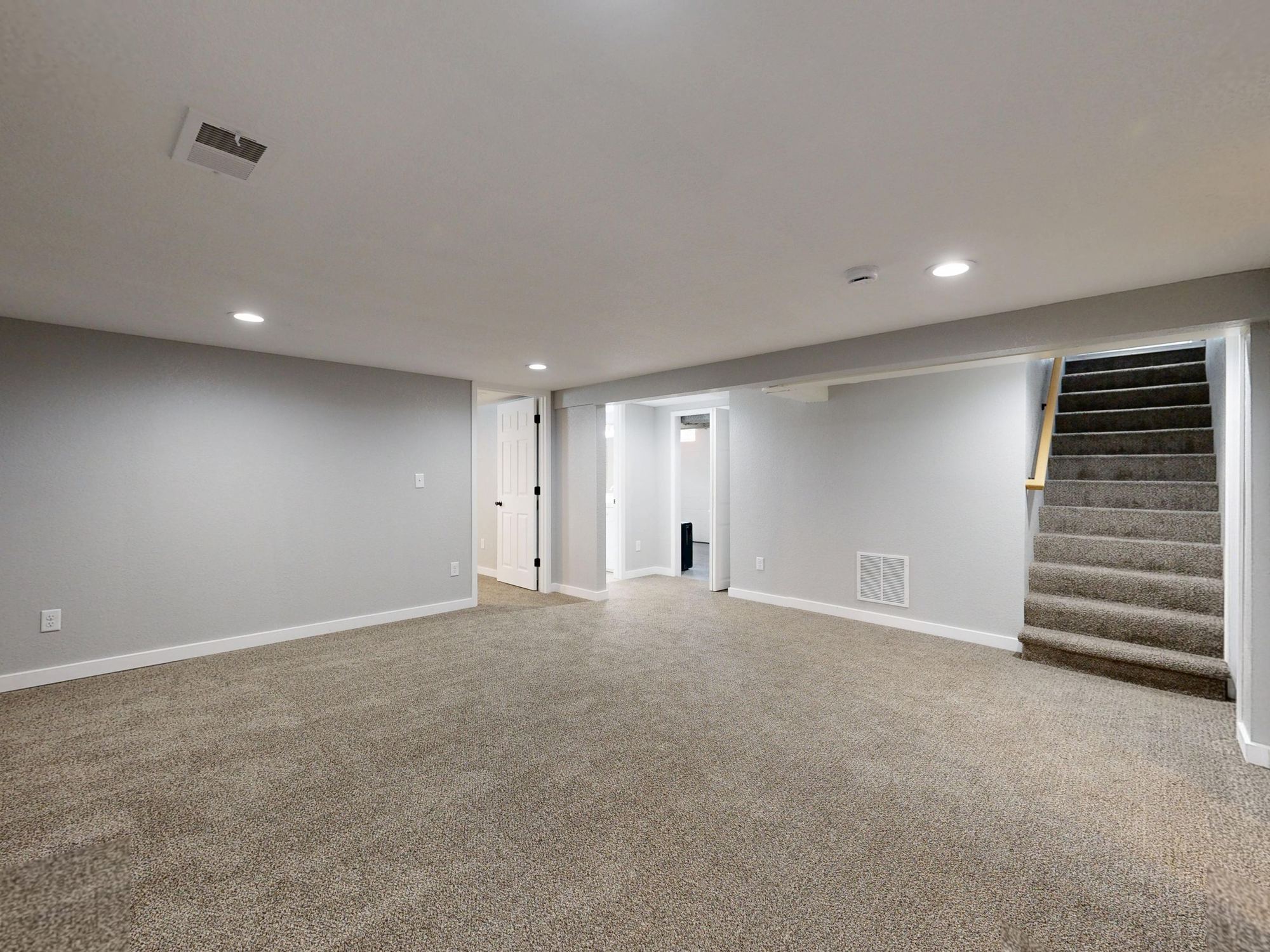
- The test goes in the lowest livable level of the house, usually the basement or the first floor on a slab.
- It runs for at least 48 hours.
- The house needs to be closed up: windows and outside doors shut, except for normal coming and going. That starts before the test and lasts the whole time.
- When I pick it up, the results are reported in picocuries per liter, written as pCi/L.
If you are the seller, please leave the test where it is and keep the house closed. A moved or disturbed test can mean starting over, and that eats into the buyer's inspection period.
What the number means
The EPA recommends fixing a home when the level is 4 pCi/L or higher, and suggests considering it between 2 and 4. There is no pass or fail line that makes a house safe or unsafe, but 4 pCi/L is the number that drives most negotiations.
If the result is high
A high reading is common and fixable. A certified radon mitigation company installs a system, usually a fan and a vent pipe that pull radon from under the slab and exhaust it above the roof line. After it is installed, the house gets retested to confirm the level has come down.
In a purchase, a high result usually turns into a request: the seller installs a system before closing, or gives a credit so you can do it yourself. Your agent will know how buyers and sellers in your market tend to handle it.
Book it with the inspection
The easiest time to test is during the home inspection. The test runs while you are doing everything else, and the results come back well within a typical inspection period. Call or text me at 609-744-5681 and mention you want radon added.