
A lot of buyers find out about the WDI inspection from their lender. It is on the list of things needed before closing, and suddenly there is another appointment to schedule. Here is what it actually is, and why it is worth doing even when nobody requires it.
WDI means more than termites
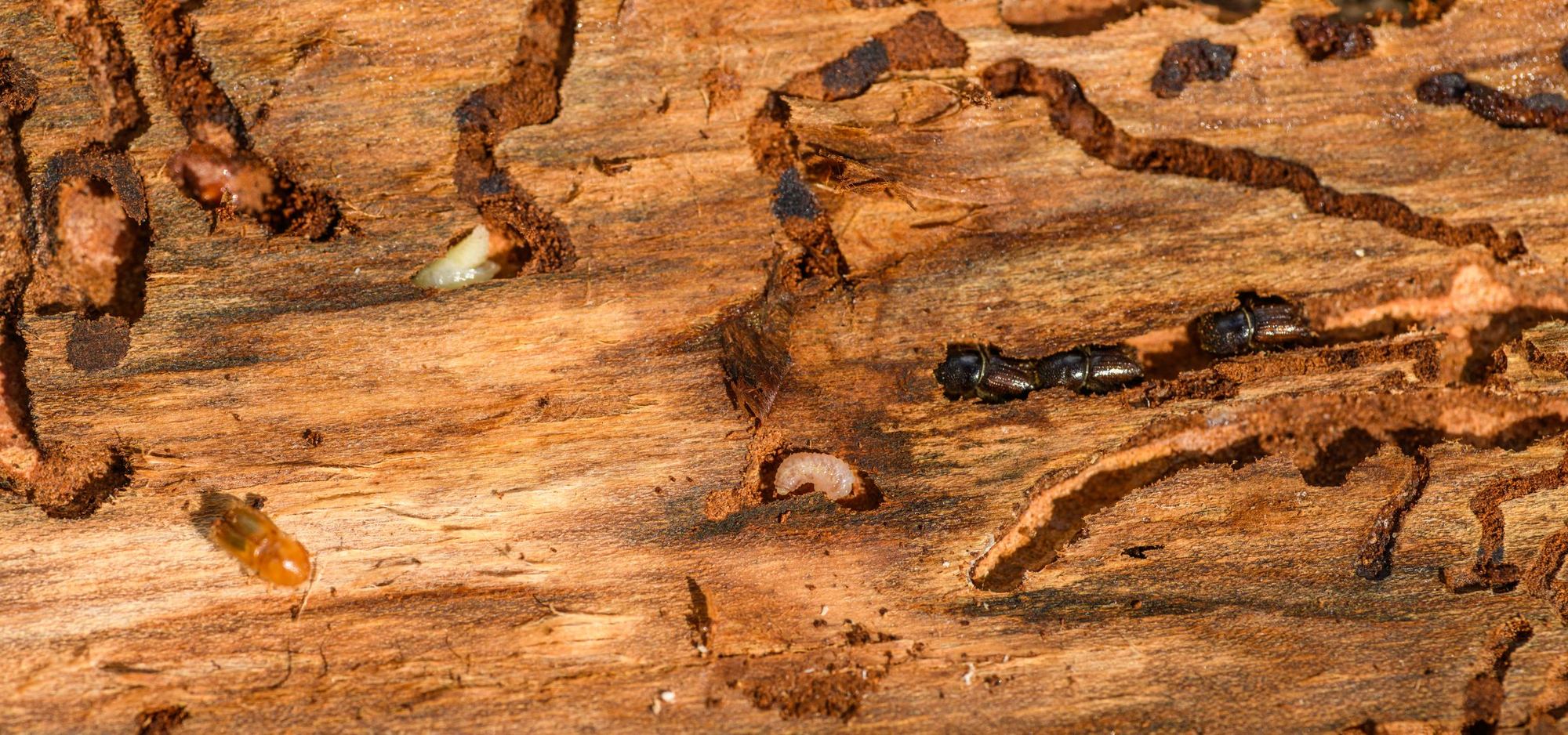
WDI stands for wood destroying insects. In South Jersey the main ones are:
- Subterranean termites. They live in the soil and travel up into the house through mud tubes built along foundation walls, piers and pipes. They eat wood from the inside, so damaged wood can look fine on the surface.
- Carpenter ants. They do not eat wood, but they hollow it out to nest, usually where it is already damp. Piles of fine sawdust-like debris are a giveaway.
- Carpenter bees. They drill perfectly round holes, often in fascia boards, decks, porch ceilings and log walls.
- Wood-boring beetles. Small exit holes and fine powder in older framing or flooring can point to beetle activity.
What I look for
A WDI inspection is a visual inspection of the accessible areas of the house: basement, crawlspace, garage, attic access points and the exterior. I am looking for three things:
- The insects themselves, or signs of a swarm, such as discarded wings on window sills.
- Damage they have caused, including old damage from a past infestation.
- Conditions that invite them: wood touching soil, firewood stacked against the house, leaks and wet wood, mulch piled up against siding, and poor drainage around the foundation.
I also note signs of previous treatment, like drill holes in a slab or bait stations around the yard. If the seller has paperwork for a treatment, it is worth asking for.
What it cannot see
Termites work in places no inspector can see without opening walls: behind finished basement walls, under floor coverings and inside framing. The report covers what is visible and accessible on the day of the inspection. If there are signs that call for a closer look, I will say so.
I do not treat houses I inspect
The inspection is independent. If insects or damage are found, treatment is handled by a pest control company, and any repairs by a contractor. That way nobody is finding problems in order to sell a treatment.
Doing it with the home inspection
I hold a New Jersey DEP pesticide applicator license for termite work (64141B), so the WDI inspection can happen in the same visit as your home inspection. One appointment, one inspector, and the WDI report is ready for your lender. Call or text me at 609-744-5681.